
Deep Learning · Supervised learning
Artificial Neural Networks
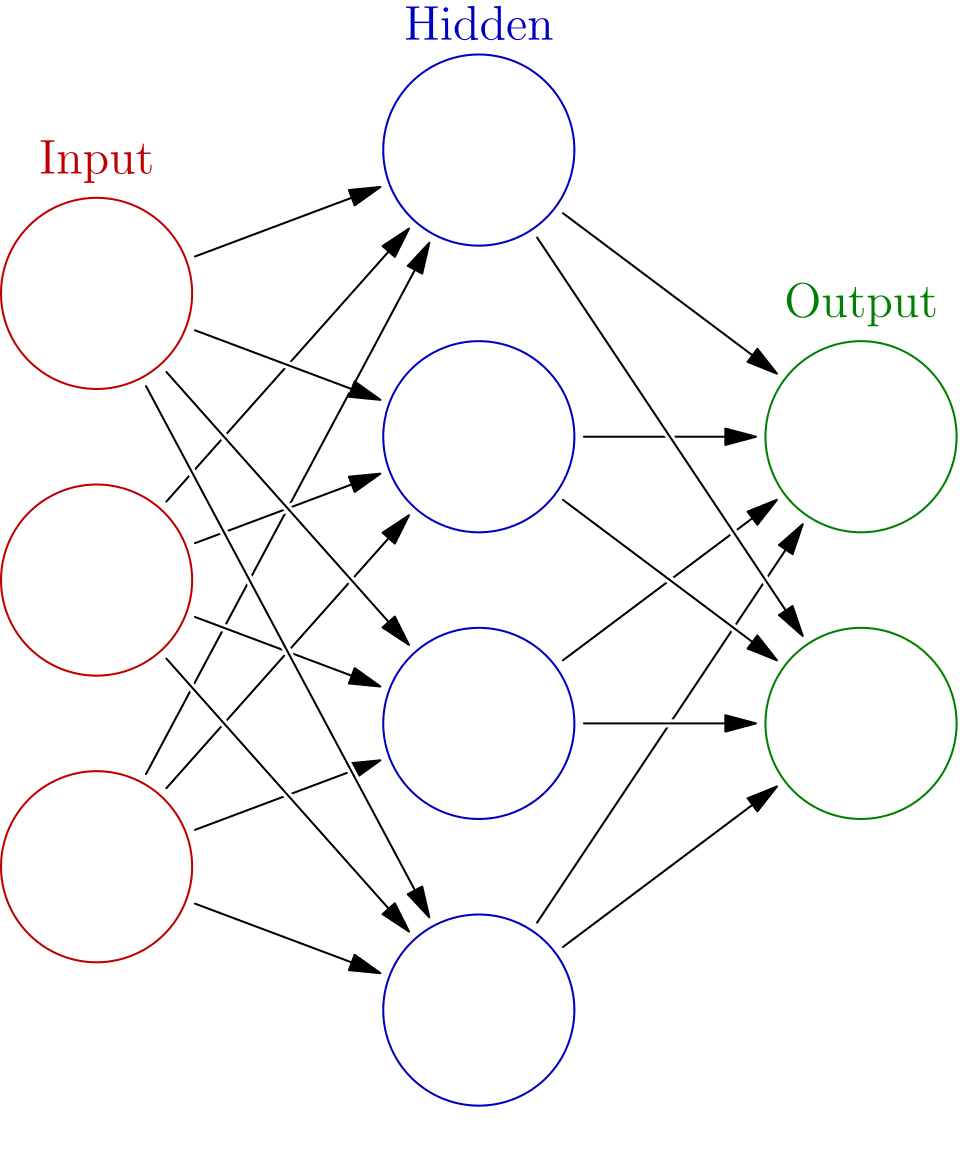
Layers of connected units that learn complex patterns by adjusting the strength of each connection.
Category
Deep Learning
Learning type
Supervised
Complexity
High
Interpretability
Low
Overview
What artificial neural networks does
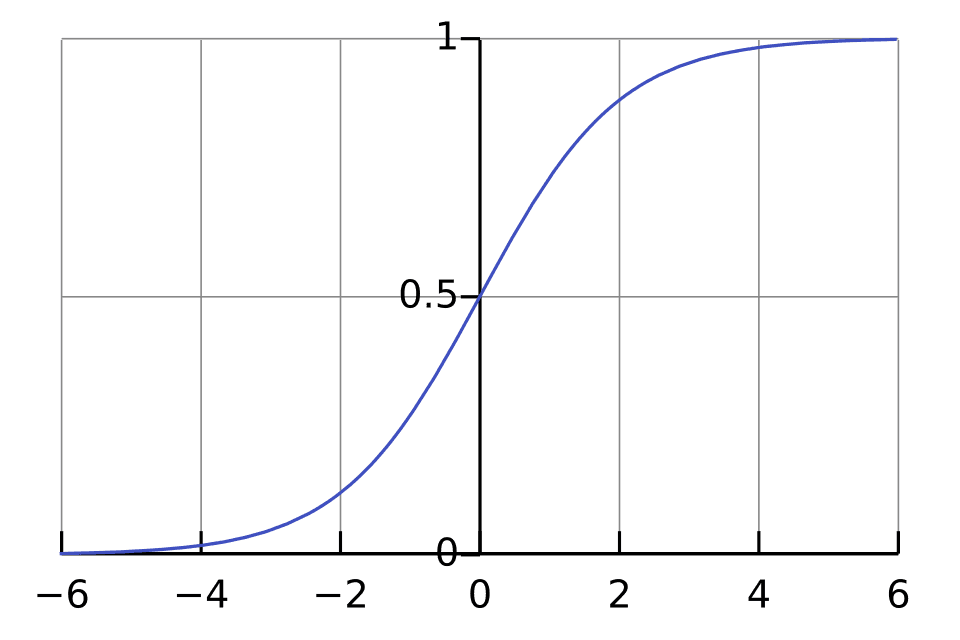
An artificial neural network is built from layers of simple units, loosely modeled on neurons. Each unit weighs its inputs, adds them up, and passes the result through an activation function. Stacking layers lets the network learn non-linear relationships that simpler models miss, and training adjusts every weight to reduce prediction error on examples.
Formula
a = σ(Wx + b)
Quick profile
Data it needs: Tens of thousands of labeled rows or more
Process
How it works, step by step
- 1
Feeds input features into an input layer
- 2
Passes values through one or more hidden layers, each applying weights, a bias, and an activation function
- 3
Produces a prediction at the output layer
- 4
Measures the error against the known answer with a loss function
- 5
Uses backpropagation and gradient descent to adjust weights, repeating over many passes through the data
Worked example
Churn prediction with many signals
A software company feeds product usage, support history, billing events, and seat changes into a neural network. It picks up interactions between signals that a linear model misses, and the account team gets a weekly list of renewals at risk.
When to use it
- When relationships in the data are highly non-linear
- When you have a large amount of labeled data
- When simpler models have plateaued on accuracy
- For tabular problems with many interacting features
- As a building block for more specialized deep-learning architectures
Strengths
- Learns complex, non-linear patterns
- Works for regression and classification
- Scales with more data and compute
- Flexible architecture that adapts to many problems
- Learns useful features automatically
Limitations
- Needs a lot of data to train well
- Hard to interpret why a prediction was made
- Computationally expensive to train
- Many settings to tune (layers, units, learning rate)
- Prone to overfitting without regularization
Applications
Where it is used
Related models
All 22 models
Need a model built on your data?
Tell us the decision you want to improve. We will tell you whether your data can support it and which approach fits.