

Originally published by Asgard Technologies, which is merging into STRAVYNT.
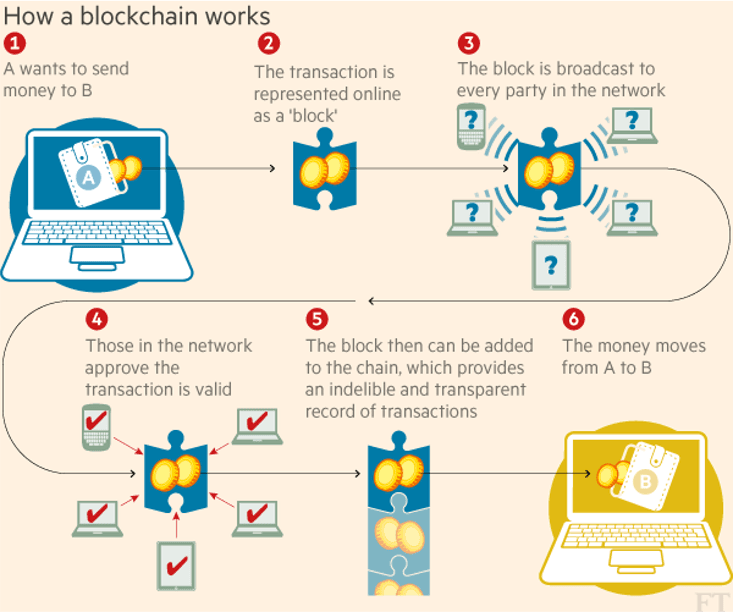
Blockchain is a decentralized system for exchange of value that is transforming how we think about transactions, data integrity, and trust.
Core Concepts
Decentralized System - Unlike traditional databases controlled by a single entity, blockchain operates across a distributed network of computers.
Shared Distributed Ledger - All participants in the network have access to the same ledger, ensuring transparency and consistency.
Transaction Immutability - Once data is recorded on the blockchain, it cannot be altered. This is achieved through blocks and chaining—each block contains a cryptographic hash of the previous block.
Consensus Mechanism - Transactions are validated through consensus algorithms, ensuring agreement across the network without a central authority.
Cryptography - Blockchain leverages cryptographic techniques for trust, accountability, and security.
Types of Blockchains
Bitcoin Blockchain - The original blockchain, designed specifically for Bitcoin transactions.
Ethereum - A general-purpose blockchain that allows any asset to be managed as long as it can be digitally represented on the chain. Enables smart contracts and decentralized applications.
Business Applications
- Supply Chain Tracking - Trace products from origin to consumer
- Smart Contracts - Self-executing agreements with terms written in code
- Digital Identity - Secure, portable digital identities
- Financial Services - Faster, cheaper cross-border transactions
- Healthcare - Secure sharing of medical records
Blockchain technology continues to evolve and find new applications across industries.
Want help putting this to work?
STRAVYNT designs, builds, and runs the systems behind ideas like these, from automations and AI agents to the software and platforms around them.